
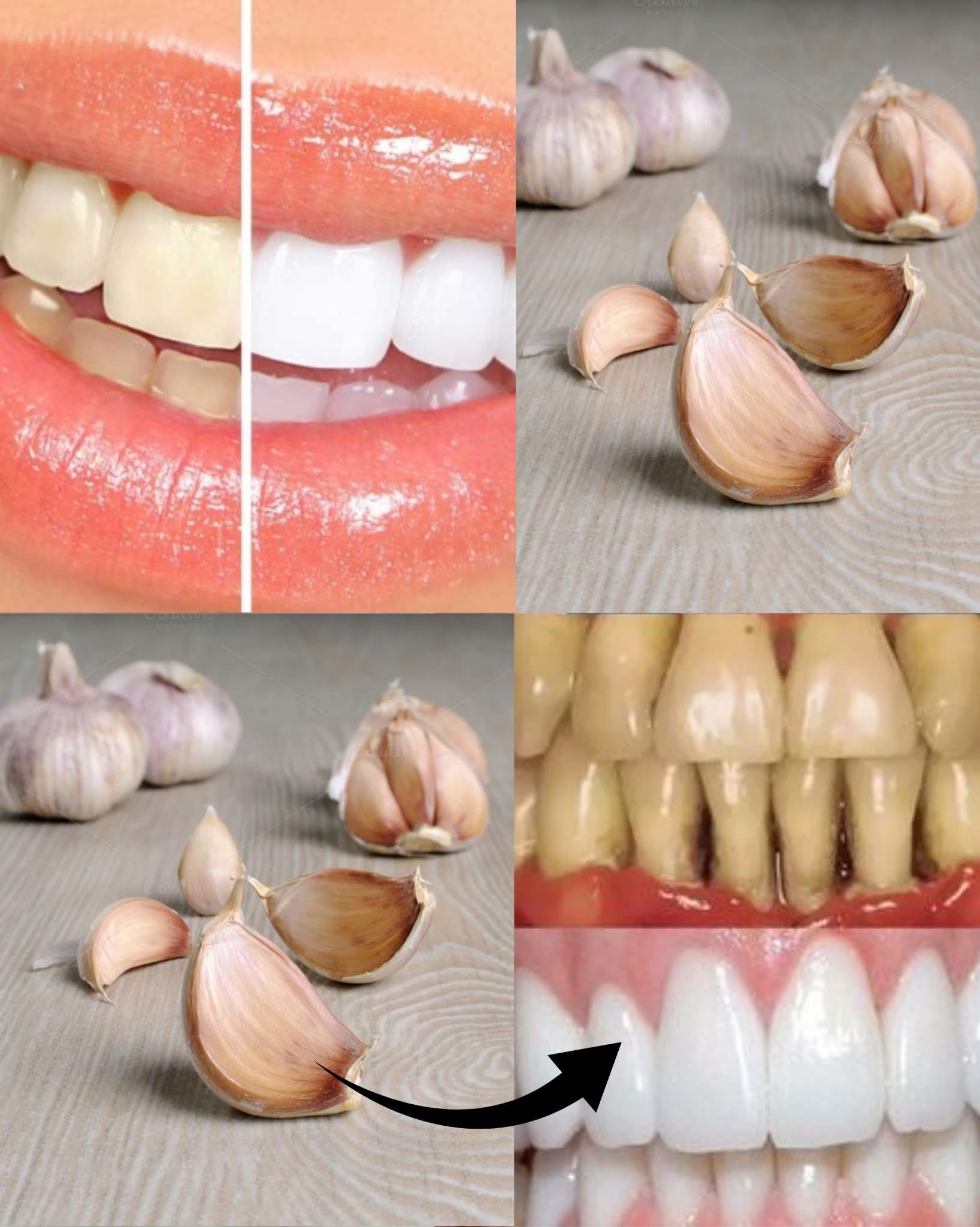
Garlic: A Natural Ally for Oral Health
Table of Contents
Garlic is widely recognized for enhancing flavors in cooking, but did you know it can also benefit your oral health? With its potent antibacterial properties, garlic has been used in traditional remedies for centuries. Surprisingly, it may help reduce tartar buildup and even naturally whiten teeth when used correctly.
Why Use Garlic for Oral Health?
The key to garlic’s effectiveness lies in allicin, a powerful compound released when garlic is crushed or chopped. Allicin has strong antimicrobial properties, making it highly effective in targeting bacteria that contribute to tartar buildup, gum disease, and tooth decay. Adding garlic to your oral care routine may help keep your teeth cleaner and potentially brighter.
Benefits of Allicin for Oral Health
• Antibacterial action – Kills harmful bacteria that cause plaque and tartar buildup.
• Anti-inflammatory properties – Helps reduce gum inflammation, which is common in gum disease.
• Natural teeth whitening – Over time, garlic’s cleansing effects may help remove surface stains.
How to Use Garlic for Oral Health
Incorporating garlic into your oral care routine is simple, and there are a few different methods to try. Whether you prefer a direct approach or a milder solution, garlic can be used effectively for cleaner, healthier teeth.
1. Garlic Paste for Tartar and Bacteria Removal
One of the most direct ways to use garlic for oral care is by applying a garlic paste to your teeth and gums. This allows allicin to interact directly with bacteria in the mouth.
How to Make and Use Garlic Paste
1. Crush a fresh garlic clove into a smooth paste. Crushing activates allicin, which is essential for its antibacterial properties.
2. Apply the paste to your teeth and gums, leaving it on for 1–2 minutes.
3. Rinse thoroughly with water to remove the garlic residue.
For a milder effect, mix the garlic paste with a pinch of salt. Salt enhances the antibacterial effects and acts as a gentle abrasive to help remove surface tartar.
2. Garlic Mouthwash for a Gentler Approach
If applying garlic directly to your teeth feels too strong, you can create a garlic-infused mouthwash. This provides antibacterial benefits without the intensity of a paste.
How to Make and Use Garlic Mouthwash
1. Finely mince a garlic clove.
2. Steep it in warm water for about 5 minutes to release the allicin.
3. Strain the mixture to remove garlic solids.
4. Use the infused water as a mouthwash, swishing it around your mouth for 30–60 seconds before spitting it out.
This mild rinse can help reduce bacteria in the mouth and may be suitable for people with sensitive teeth and gums.
Precautions and Considerations
While garlic offers several oral health benefits, there are some important factors to keep in mind to ensure safe and effective use.
Managing Garlic’s Strong Odor
Garlic has a strong, lingering smell. To neutralize it after use, try:
• Apple cider vinegar rinse – Mix apple cider vinegar with water and use it as a mouth rinse.
• Chewing fresh herbs – Parsley or mint leaves can help freshen your breath naturally.
Sensitivity Concerns
Garlic’s strong compounds may cause irritation, especially for people with sensitive teeth or gums. If you experience discomfort, start with a small amount or consult your dentist before continuing. Testing a small area first can help determine if garlic is suitable for you.
Garlic as a Supplement, Not a Replacement
While garlic can help reduce bacteria and prevent tartar formation, it is not a substitute for professional dental care. Hardened tartar cannot be removed at home, so regular dental cleanings are still essential for maintaining optimal oral health.
Why Dentists May Not Recommend Garlic for Oral Health
Despite garlic’s antibacterial properties, most dentists do not recommend it as a primary treatment for oral health issues. Here’s why:
• Limited scientific research – While traditional remedies highlight garlic’s antibacterial effects, clinical evidence supporting its role in dental care is limited.
• Potential for irritation – Garlic’s strong compounds can irritate sensitive gums or cause discomfort.
• Professional care is essential – Garlic cannot replace professional dental cleanings, especially for hardened tartar.
Final Thoughts
Garlic’s natural antibacterial and anti-inflammatory properties make it a unique addition to an oral care routine. While it can help combat bacteria, reduce tartar buildup, and even contribute to a brighter smile, it should be used as a complementary remedy, not a replacement for professional dental care. If you decide to try garlic for oral health, start with small amounts and monitor your sensitivity to ensure a safe experience.